We are not feeling “all good”
Regardless of whether you're conscious of it,
we are all part of the global community.
I notice there's an expectation that we should be feeling “good,” “great,” “thriving” at all times.
This emerges in people's responses when asked how are you and our response is not "all good" or "great!”
The response is concern and surprise,
"Why! What's wrong?" (I am guilty of this too.)
As long as there is oppression, genocide, discrimination somewhere in the world, the people will not be all good.
For me, I have moments
(MOMENTS)
when I feel good, great, and sometimes I even feel the fullness of joy fill my body.
But these moments are impermanent.
They go as quickly as they come.
The majority of the time, I feel
weighed down,
heavy,
tired,
meh...
and don't get it twisted,
I am still functioning and moving through my day to day life (just as capitalism expects of me).
And I’m noticing how this standard of b e i n g in the world is “normal”…
It doesn't have to be,
nor should it be.
Regardless,
it just is.
There's no big revelation here of how to get rid of this consistent heaviness.
No answers.
No solutions.
No quick fixes.
This is just an acknowledgement of what is true for me
and what I notice is true for others around me.
A n o r m a l i z a t i o n of what shouldn’t be considered “normal.”
And that's the starting place—acknowledging that we are not all good and cannot be all good with the state of our global community.
We feel heavy.
We feel sad.
We feel angry.
We feel.

a spontaneous poem
in my last session with my spiritual director, we created a poem (my rambling words, her documentation) about how I feel creating spiritual spaces on my own (like this website and a new spiritual community~coming soon)
Feels good,
Feels good and aligned,
calling,
trusting,
idealist,
fun,
feels good to dream,
excited,
having hopes,
vision,
feeling of movement,
brave and confident,
courage to take steps toward the unknown.
No fear.
No fear that stops me.
Pushing me forward.
Launching.
The Hands of my Grandparents
originally posted on November 23, 2019 on WordPress.
“She moved through the garden like it was an extension of her body.” – Willie J. Jennings from The Christian Imagination : Theology and the Origins of Race
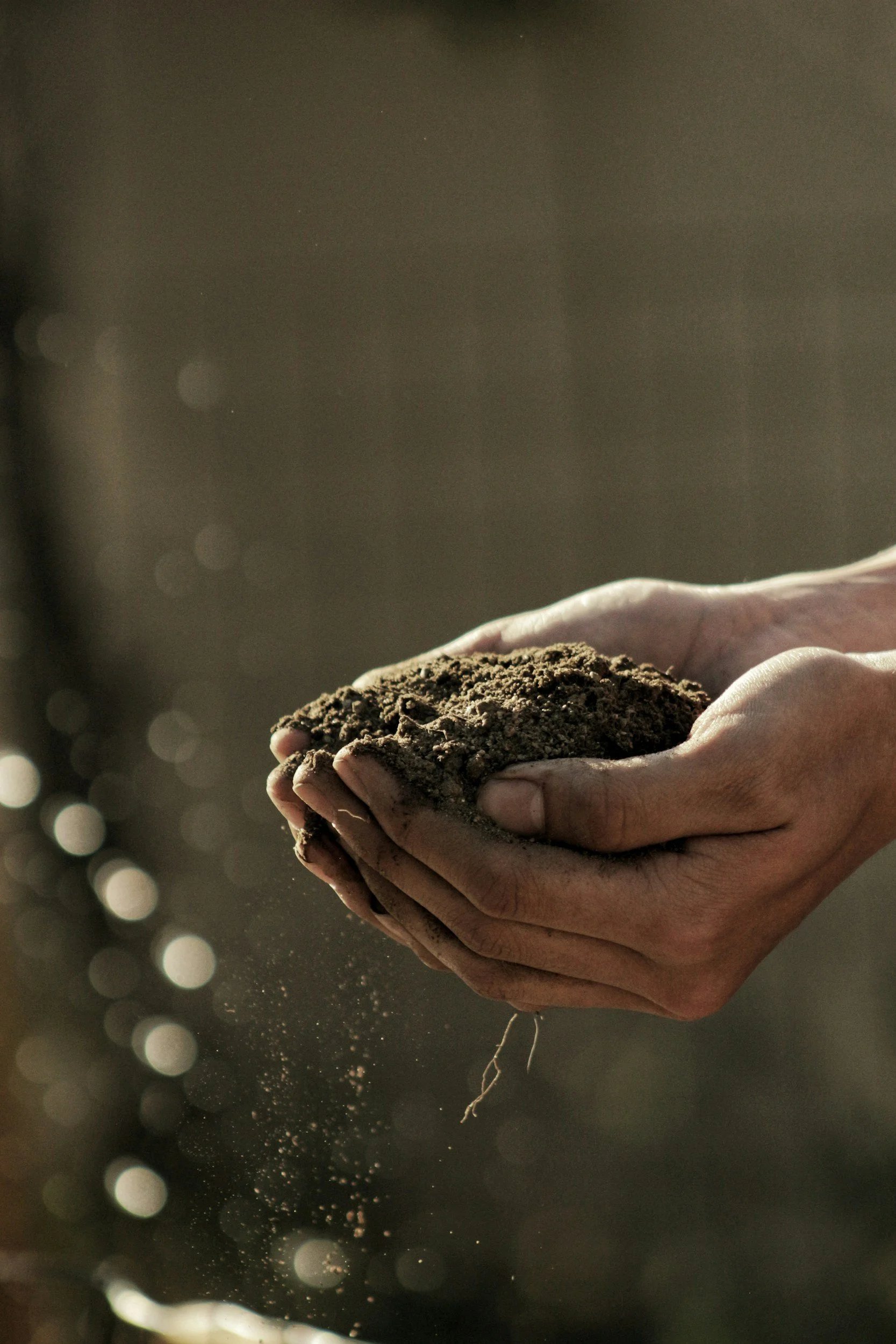
My papa pours life into his garden.
I am a linage of farmers, yet I have lost the ability to give life to plants.
Hands that cared for the soil, held me as a baby.
Hands that cooked meals for soldiers, that tended Japanese gardens, that parachuted through the air out of planes.
Hands that made ume, dried shiso, pickled vegetables.
Gardening was not just a job, it was a passion.
Hands that made me musubi, that made me hot coco, that played uno with me.
Hands that taught me how to shuffle cards.
Hands that were wrinkled and worn. Full of memories, pain, resilience, wisdom.
Hands that serve high school cafeterias.
Hands that cradled bowling balls and bowled strikes.
Hands that loved to golf.
Hands that held mine and felt so big.
Hands that survived incarceration camps.
Hands that did nothing wrong yet were punished by the country they called home.
Hands that boarded up cracks between the wooden planks that made the barracks where they lived. And hands that carried suitcases, unsure of what they would need or how long they would be gone.
Hands that still hold trauma. Hands that hold mine.
I am held up by the hands that raised me. The hands that poured love into me. I carry the trauma those hands endured and live out the dreams they never thought to imagine for themselves.
By me, to future me
wisdom from middle school age me
I found this poem that I wrote in a 6th grade Creative Writing class. Who did I think I was trying to be so profound?? And how did I know I would need to hear this from myself in the future!! *laughing emoji*
Note to self: your past selves hold the wisdom you need today.
Introduction to Dreams
I ask you to dream about flying
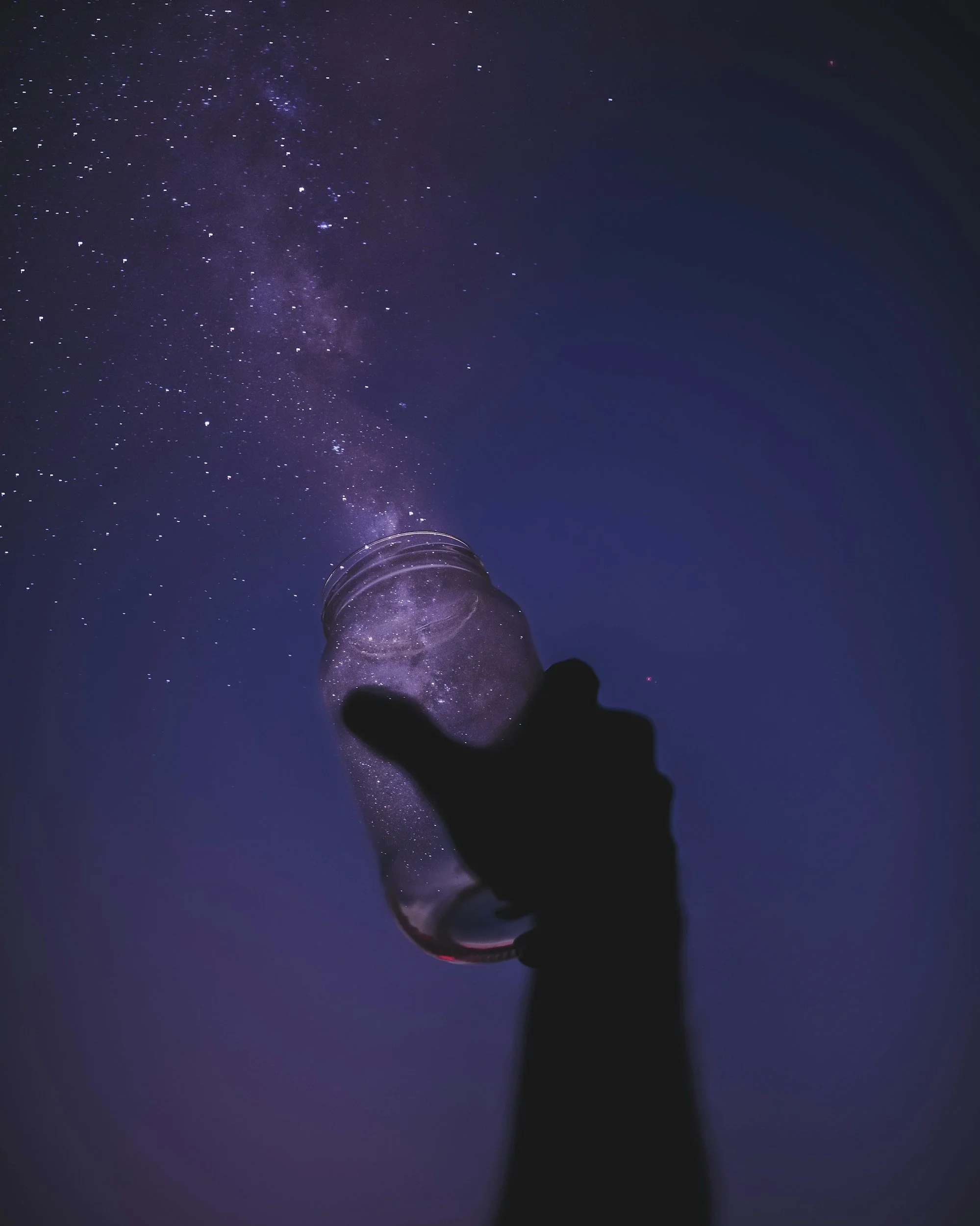
And landing on the moon
Like a child waiting for the first taste of life
Or press an eye to adventure and let it show you that nothing is impossible
I say drop a dream into your life
And let it tell you to believe
I want you to be a hero
Traveling the surface of your imagination
Waving a hand to all your fans
But all you want to do
Is life like an ordinary kid
And stay on the path that will get you through the day
I want you to be seen by the world as I see you
To be a hero and search for your dreams within yourself
Japan Part I - scratching the surface
Japan 2018 trip reflections
originally posted March 28, 2018 on my WordPress
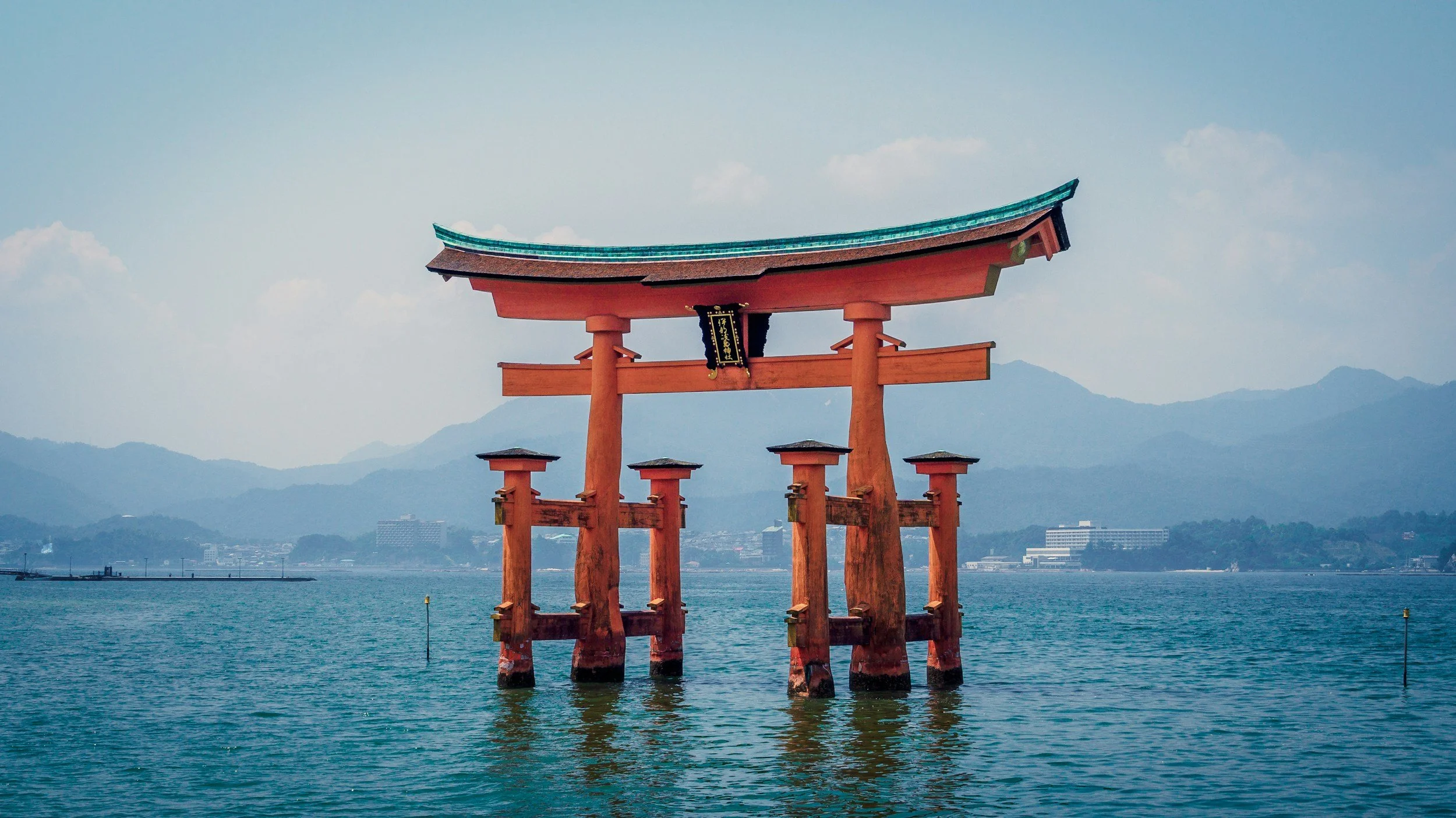
Almost 24 hours after returning home from Japan (not really sure if that’s accurate considering the time difference, but who’s really going to fact check me), my brain is cluttered with reflections and unanswered questions. I’ve been trying to sort through what I’m feeling after this experience to distinguish my own opinions from the ones I’m expected to feel. People want to hear about how amazing and life-changing this trip was, how refreshed I feel, and how I’ve never felt so in touch with my culture. To some extent, yes, I do feel these things. But I also left Japan feeling more confused and uncertain of my cultural identity as ever.
Ah, a week later and here we are… I wrote that in a tired, half-delusional frenzy and haven’t had time to return to this post until now. I think I’m still decompressing, but I also don’t want to wait too long to reflect on my trip. In retrospect, this truly was an amazing opportunity I was given, and I feel very privileged to have been chosen as a participant.
I want to emphasize how much I support the continuation of the Kakehashi Project. To all my Japanese American friends and family members between the ages of 18 and 25, APPLY IF YOU HAVE NOT GONE YET. Seriously. You will not regret it. This is one of those one in a lifetime opportunities that you will wish you had taken advantage of. (And to all my Japanese American friends who are under 18, apply when you are of age.) A fully compensated trip to Japan for a week?!! I mean, why wouldn’t you at this point.
Background interlude ~ to my understanding, here’s a quick tidbit of background about the Kakehashi Project. After the explosion in Fukushima, the Japanese American Citizens League (JACL) raised millions of dollars and sent it as disaster relief aid to Japan. After this gesture, the Japanese government realized that it was incredibly valuable to have a strong, positive relationship with the US and with the Japanese Americans living there. Thus, they started funding a program through the Japanese International Cooperation Center (JICE) to strengthen US-Japan relations in a very specific way: by funding a cultural exchange program for young adults. The Kakehashi Project is a program that is still evolving and bettering, but my hope is that it will continue to be funded so future generations of Japanese/Asian Americans can deepen their understanding of Japan, its culture, its people, its government, and its history.
What’s interesting to me is that the purpose of the project and the purpose that us participants have for applying are extremely different. I’ll speak for myself here when I say I have struggled in determining my cultural identity as a Yonsei (fourth generation Japanese American). I applied to this program with the hope that it would give me the chance to better understand my ethnic heritage, and maybe offer opportunity for some revelation about my identity.
Footnote: Maybe this comes off slightly dramatic… I actually have a pretty strong sense of self, but I think it’s important for me to continue challenging myself to grow because learning never stops. Gotta keep grinding for those intellectual gains!! (Too much? Yeah, I’ll dial that back a notch.) For me, my cultural identity is something that has been taken as is rather than questioned and discovered for myself. I think it’s important for me to be critical of the homeland that my ancestors come from (as it has affected my identity and upbringing whether I am conscious of it or not).
Alright let’s refocus. There’s clearly a lot of aspects of this trip I want to unpack, but I wanted to start with one of the biggest cultural differences that I felt. So one thing that really struck me when I was in Japan is how safe I felt. I hate that growing up in the US, especially as a woman, I am taught to be cautious when walking alone. Whether it was direct or inherent teachings, I always felt generally untrusting when alone in public places. Even in broad daylight I feel on guard and my body sometimes tenses up when I walk past strangers. I’m not sure exactly when this anxiety started manifesting, but it’s definitely something I haven’t been able to shake.
But being in Japan, I have never felt so safe to be out at night, even in dark empty alleys, just wandering around. How funny, right? I feel safer walking in Japan at night in dark alleys than I do at home in broad daylight in places that are familiar. I think this sense of security has to do with the low crime rates in Japan. In the prefecture I visited on the island of Shikoku, one of the local residents told me there are only a few murders a year. I can’t say for certain that is true across the country, but I’m pretty sure crime in general is much lower than it is in the US.
To feel completely safe was freeing and empowering in a way that I’ve never experienced before. This has been just one way that my trip to Japan through the Kakehashi Program has given me a newfound interest to learn about cultural differences. It’s not in food, clothing, or whatever other surface level differences but in lifestyle and core values. Moreover, how those things are shaped by a country’s mindset.
Beyond the Black-White Binary
reflections on race in 2020
originally posted June 1, 2020 on my WordPress.
As are many of my peers, I have been turning inward to discern my role in upholding a society that perpetually lynches Black people. I’ve been trying to unpack the ingrained white privilege I have as a Yonsei (fourth-generation Japanese American). I know that my past complacency and habitual ignorance of the severity of the violence done to black communities needs to end. But am I doing enough to consider myself anti-racist?
Me to me: Who is it that you think determines YOUR anti-racism?
My first answer would be Black and Brown folx: the people who are systemically disadvantaged in America.
Then today, I watched a video of a Japanese American artist share how she realized her muse in her own personal history: the wrongful mass incarceration of Japanese and Japanese Americans in AMERICA during World War II. I was reminded that I have not escaped the generational trauma that I carry as a descendant of people who survived the Camps. At this time, I pause and signal to you, my reader, that this is not a post where I will be explaining Japanese American Internment. Basic knowledge of the Camps, however, is necessary in order to understand this post. Please take some time to, at the very least, Google what happened, but preferably educate yourself thoroughly because it is important to understand why Camp was traumatic, painful, dehumanizing, degrading, and is just one example of what happens when white men in power make decisions based on fear while ignoring facts.
This video clip was a reminder to me that I cannot separate myself from my Japanese heritage, history, and generational trauma. If I am to answer if I am “doing enough,” then I need to account for this part of my being that I had been missing in my initial assessment of myself. I am not the target audience of this movement. I am not off the hook for taking responsibility for my role, but I am not white. I have my own culture to consider when I think of what it means to push myself in uncomfortable ways to respond to racism.
Gaman. “Enduring the seemingly unbearable with patience and dignity.” This is a Japanese term and orientation towards hardship that helped my great-grandparents and grandparents live through Camp. I will take my grandma as an example. Haruye is a modest, fierce, traditional woman. She does not talk about her experience at Camp, but I do not expect that she made a fuss about the forced relocation. She is respectful to the leaders of the country she lives, and if they were forcing Japanese Americans into lousy barracks barricaded behind barbed wire in the middle of the desert, she was not going to disobey.
They had to survive. They had to survive. Survival did not allow for disobedience or protest. It is not in the nature of a Japanese person to believe a government should be run any other way than it is being run.
There were Japanese Americans that resisted internment but that is not my family’s story. My family was loyal to America in the most Japanese way they knew how to do that. They were grateful for the opportunities that America claimed to offer. They were respectful of their home.
My dad shared with me about marching in San Francisco for an Anti-Vietnam War March, which he explains as a peaceful march. When he sees news reports on looting and small businesses that have been destroyed, he does not understand why there is violence that breaks out at Black Lives Matter protests. Maybe he does not understand because he has never experienced what it’s like to not have your pain and oppression heard. He believes there are good people in government who are fighting for what’s right and whose efforts, as they stand, are going to help. He does not feel restless discomfort from the consistent violation of human respect and decency that I now feel with my Black friends every day. He watches old cowboy movies and movies from the 40s and 50s. I look away and hold back my comments about his choice of feel-good classics. I’m unsettled by the racism, sexism, gender normativity, and Yellow and Brown face that is present in these films. Media intake has powerful effects on our subconscious, and it disturbs me that these movies are consistently playing in the house I live in. I do not criticize them because times were different in the film industry back then…but I am uncomfortable with how problematic they are now. What frustrates me most is how easily it becomes to forget about the present moment of racial injustice when watching films with all White casts telling White people stories.
I have not been taught to respond radically to injustice. Partially because my grandparents worked hard to ensure that my family was assimilated into American culture. They latched onto the privileges that came with being labeled as the “model minority.” They took pride in their Americanization. My parents did not grow up discussing how they had ingrained white privilege that gave them an advantage over other people of color, nor did they discuss it with me as I grew up. This is part of my family’s behavior and culture that I am working within myself to change. (And slowly taking steps to talk with my family members about as well…)
The other part of what makes it so difficult for me to respond to the call is because of the parts of my culture like gaman. When I decide to be anti-racist, it might not look like I am doing enough, but what isn’t seen is that I am first resisting my culture and my family in order to be anti-racist.
I am pushing against my ancestors who are trying to pull me back because of their fear of being alienated, labeled as the enemy, forced out of their homes, and sent to live in the desert with no clue how long they would be there. I am going against my ancestors who lived in imperial Japan, who were loyal to the nation before themselves and never (to my knowledge) challenged authority. I am resisting the strength and power that is tied to SILENCE in Japanese culture.
I want so desperately to make them proud and live a life that makes their suffering and sacrifice worth it. At the same time, and maybe even more intensely, I am trying to free my anger. My painful rage that is steeped in pain for the racial injustice of my Black, Brown, and Indigenous friends and fellow earth-inhabiters. As I am trying to free the intensity of my fire, I feel like I am abandoning my family, which feels shameful and lonely. I am hurting inside as I reject this part of me that is not serving the Christ around me.
So, now, I am left to discern how much I can abandon from my family and culture in order to live into the Christ-modeled life that I seek. I am on a journey to let go of their constraints and make them proud in the same life.
Mad Sad Afraid and Mad again
divine rage
Originally posted February 22, 2022 on my WordPress.
Of all the things I could be feeling after Christina Yuen Lee’s death, I feel angry and disappointed at cis het Asian men. Of course I also feel sad and scared. Of course I also feel exposed and ashamed. And it’s not that I expected any of my Asian male friends to check in on me. Because I didn’t. And it’s not that I needed any of them to check in on me. I don’t. But maybe that’s part of my point. Why don’t I expect them to check in on me? Because I know for certain they do not know and have not thought about how Christina’s murder impacts me.
They don’t know that her killing is my worst fear come to life. It could have been me. It could have been me. It could have been me.
Breonna Taylor, Ahmaud Aubrey, George Floyd, Elijah McClain, their deaths affected me too. I felt them. But I also was intentional about how I related to their deaths. I had to imagine what it was like to be a Black person in the u.s. I had to imagine if I lived in this world feeling watched all the time, feeling like I had to make myself small to not cause anyone to be afraid of me. And I did. And when I did, I felt their deaths deeply.
But with Christina. I just know. I can imagine screaming for my life. I’ve never experienced it. But I know. And unlike with the countless Black lives that I have tried to feel, I don’t want to feel this one. It’s too real. Feeling the extent of her murder would engulf me. I don’t know that I’d leave the house. Or leave my bed.
These days I can feel myself forcing myself to keep doing daily tasks of life. It feels forced. All I want to do is let the weight of my sadness cradle me, swaddle me, swallow me up. I want to melt into the floor. I want to disappear. That way I know the world can’t hurt me.
So, you see, I know that cis het Asian men in my life do not know what it feels like. I’m so angry at their patriarchy. At their blind “not all men are trash” defenses. I’m mad that they have no way of protecting me. And mad that it doesn’t even seem like they want to.
And I know I don’t fucking need to be protected by a man. Any man. I have women of color, black women, trans, and non-binary friends, who are ready to protect me with their softness and their gentleness and their kindness and their ferocity.
But damn.
I am fighting against my urge to make excuses in the form of empathy for Asian men. No more excuses. No more damn excuses. Educate yourselves. Advocate for Asian women.
Speak the fuck up.
Because I’m tired and I’m terrified. And I’m done protecting you.